Org Charts Templates
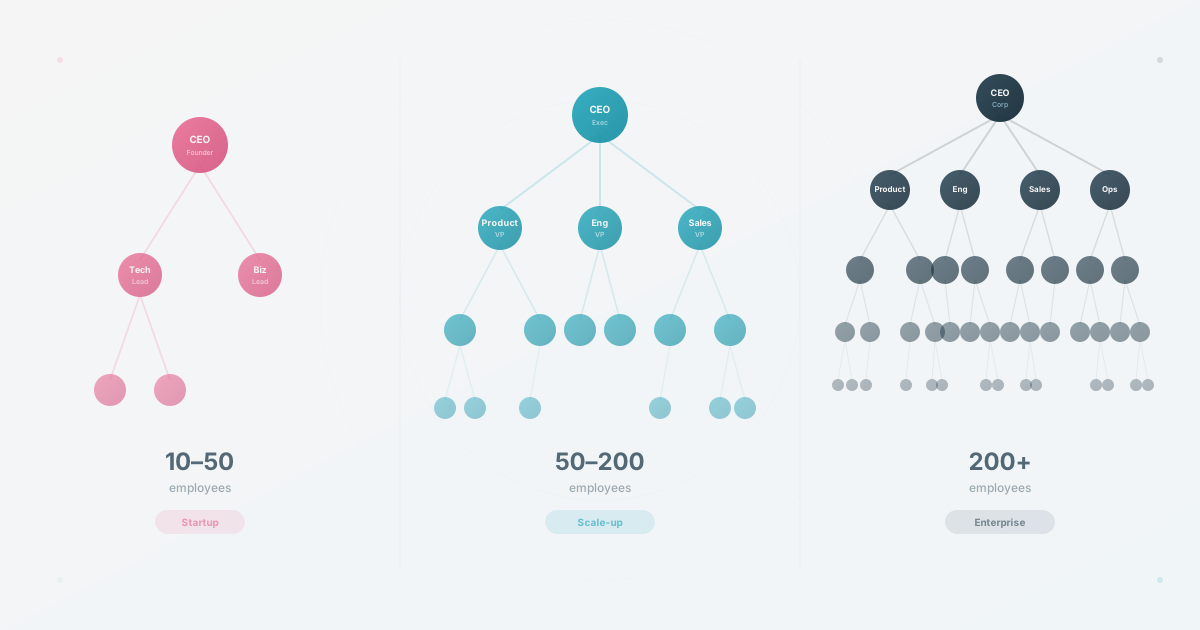
Org Chart Templates by Company Size: 10 to 500 Employees
Download a free org chart CSV template and compare starting structures for teams of 10, 50, 150, and 500 employees.
Guide 6 min read
Pick the path that matches what you're working on. Each one is a curated reading order. Start with the first article and go from there.
These are focused paths rather than the full library. Browse all articles when you want the wider set of guides and stories.
Choose a source, build the first version, validate manager relationships, and set review triggers that keep the chart useful.
Recommended starting point
How to Create an Organizational Chart: 7 Steps
Build from a spreadsheet, validate the structure, and keep your org chart useful after it goes live.
Download a free org chart CSV template and compare starting structures for teams of 10, 50, 150, and 500 employees.
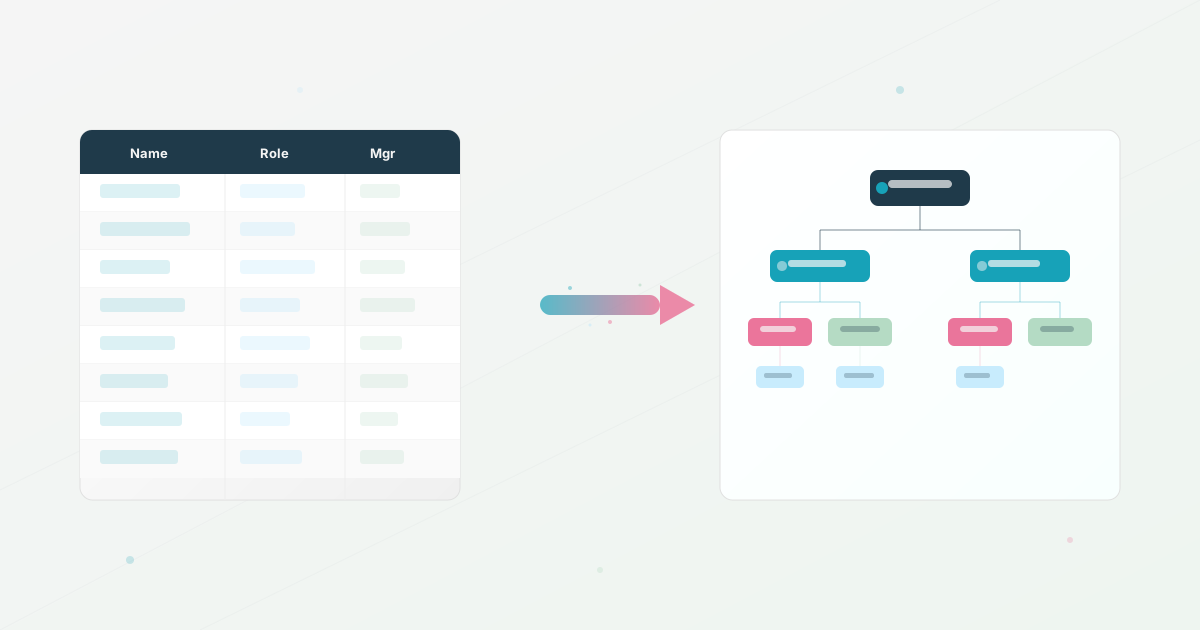
Create an org chart in Excel with SmartArt, a clean employee table, and a repeatable update workflow. Learn when Excel is enough, and when to switch tools.
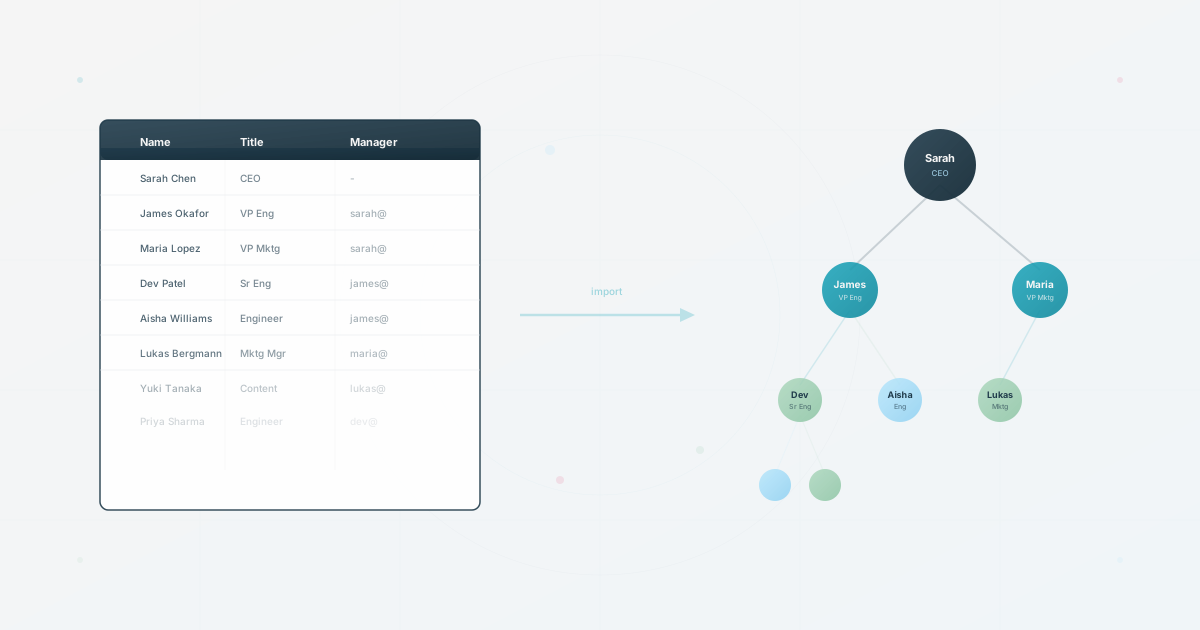
Learn how to create an org chart in Google Sheets, what data it needs, and when a spreadsheet stops being enough for your team.
Turn an Excel or HR spreadsheet into an org chart with a clean five-step workflow: validate manager IDs, import a CSV, check reporting lines, and plan updates.
Connect reporting structure to employee discovery, onboarding, skills visibility, and audience-specific views.

Your team can lose time figuring out who to talk to. Measure the routing cost, then improve employee search and profile context.
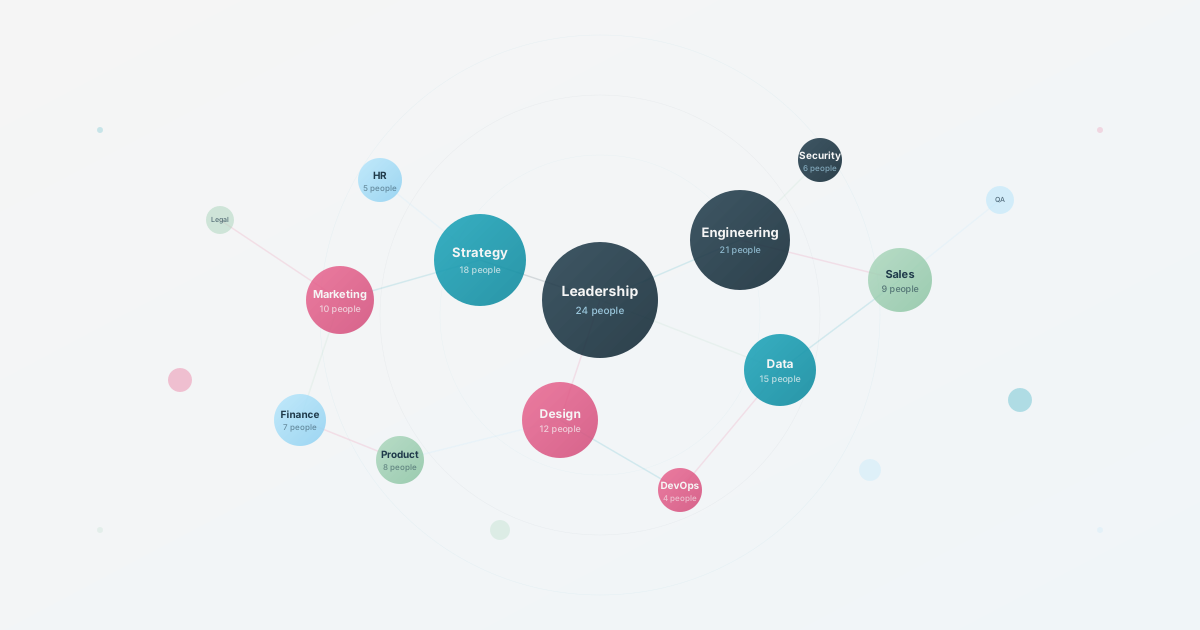
A practical approach to building a small, searchable employee skills inventory without turning it into a large consulting project.
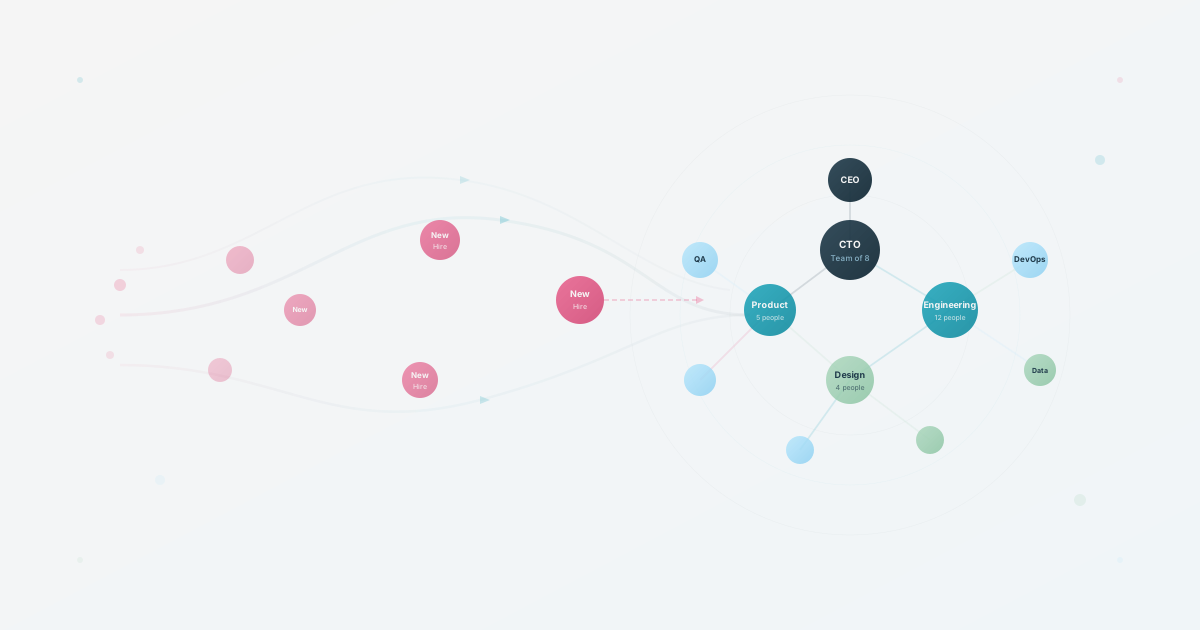
A practical framework for onboarding new hires in a cohort while preserving clear ownership, human connection, and follow-up.
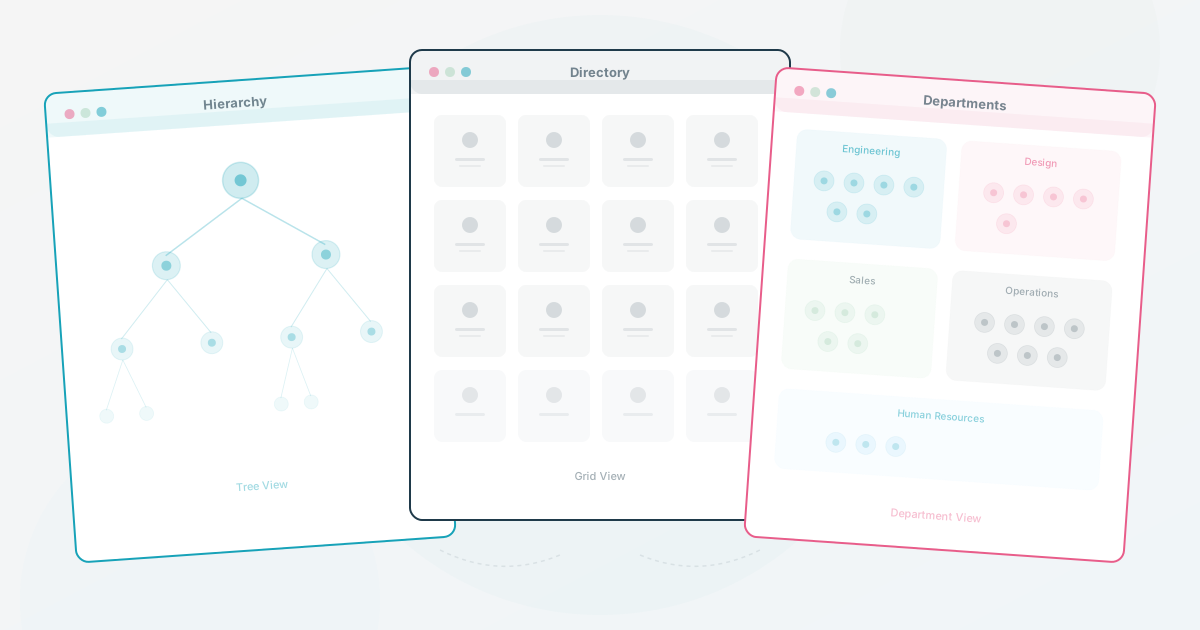
Create audience-specific org chart views for leadership, employees, and external partners without maintaining duplicate files that drift out of sync.

A practical framework for testing connection in distributed teams, with opt-in profiles, interest channels, and measures beyond event attendance.
Compare tools, make the case for change, and match the update workflow to the way your organization actually operates.
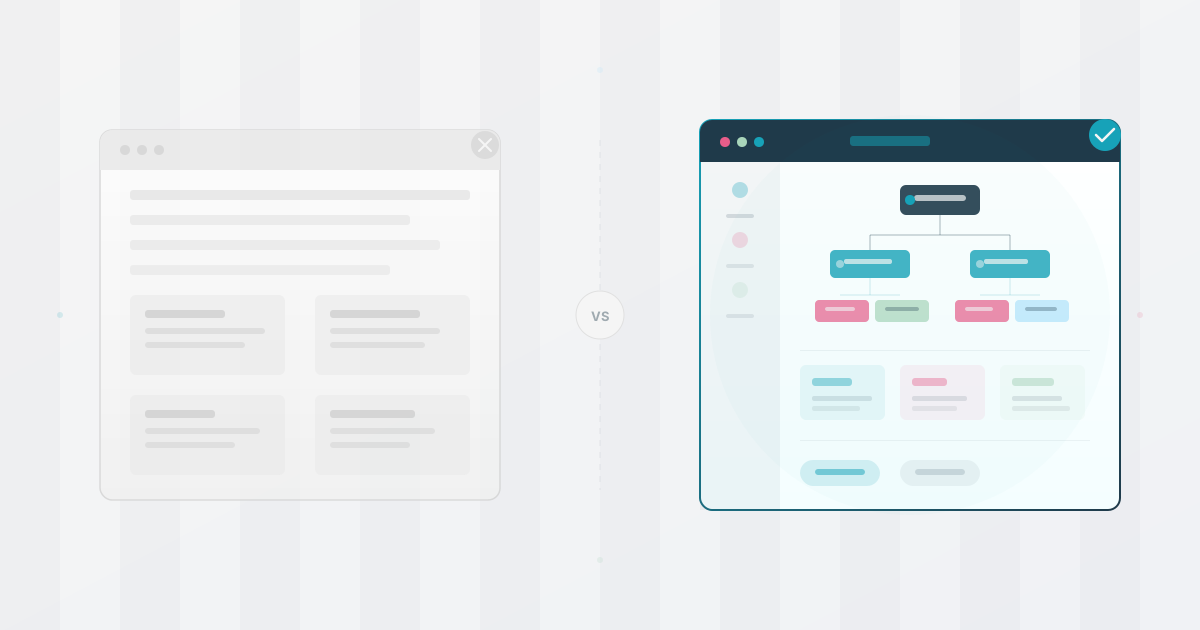
Compare eight org chart tools for HR by data import, updates, directory features, and sharing. See the desk-research method and a five-change test to run yourself.
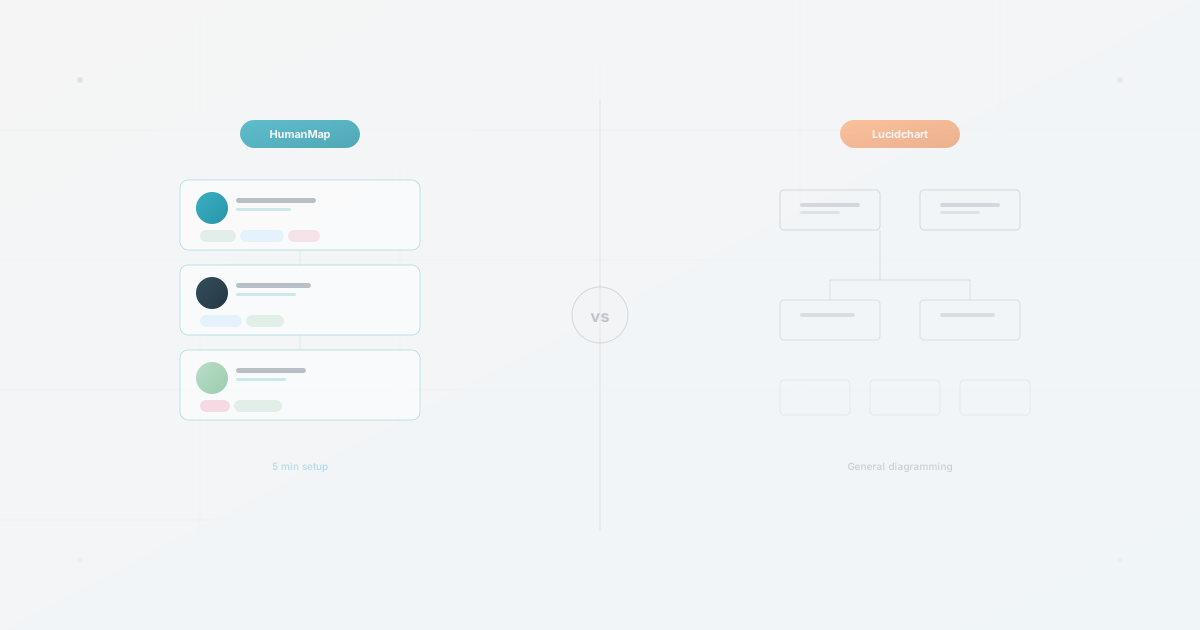
Compare HumanMap and Lucidchart org chart workflows for HR: data import, updates, employee discovery, sharing, and diagram editing. Includes a practical test.
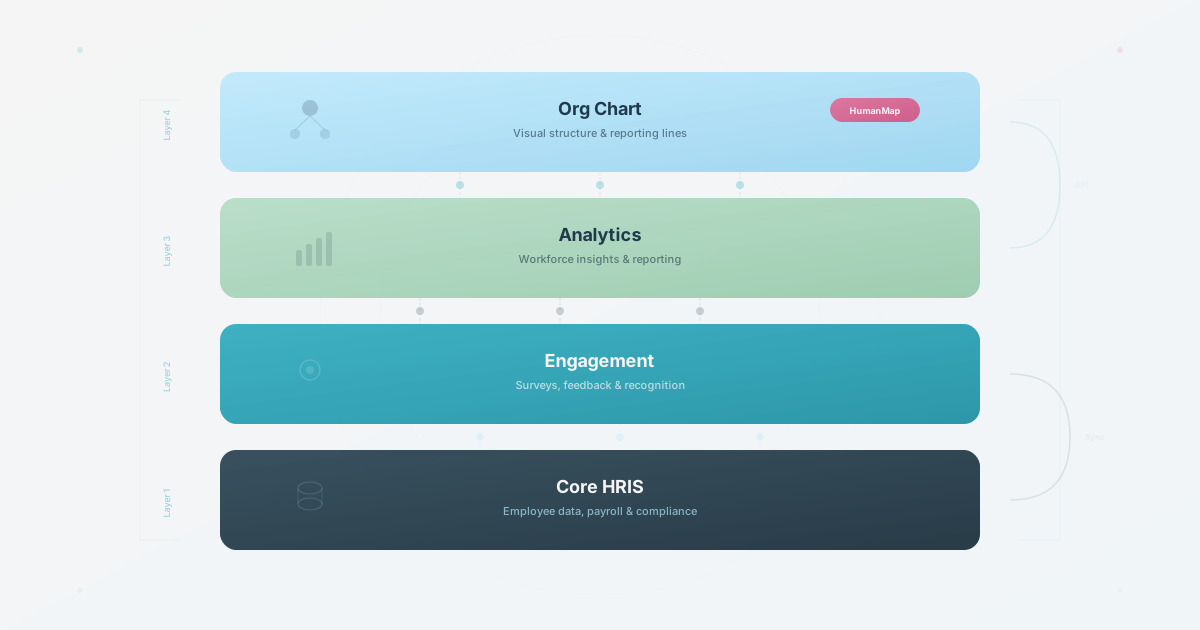
Build a practical HR tech stack for mid-sized companies. Keep your HRIS, add missing layers, and improve org visibility without unnecessary tool sprawl.

Measure the cost of stale org chart data with a simple audit of routing time, maintenance work, and decisions made from the wrong structure.
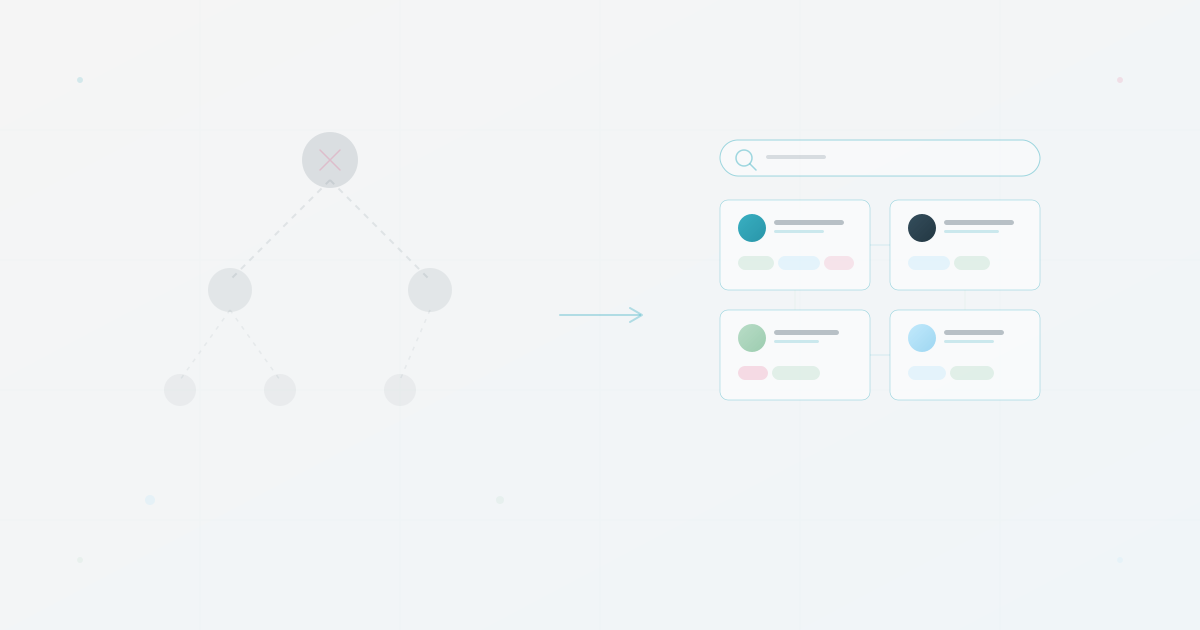
Static org charts show reporting lines but leave employees guessing who knows what. See how a searchable employee directory handles the everyday questions.
Want to assess your current setup?
The Org Chart Scorecard takes 2 minutes and offers directional recommendations. If you are preparing an import, check your CSV locally first.
Take the scorecard Check a CSV